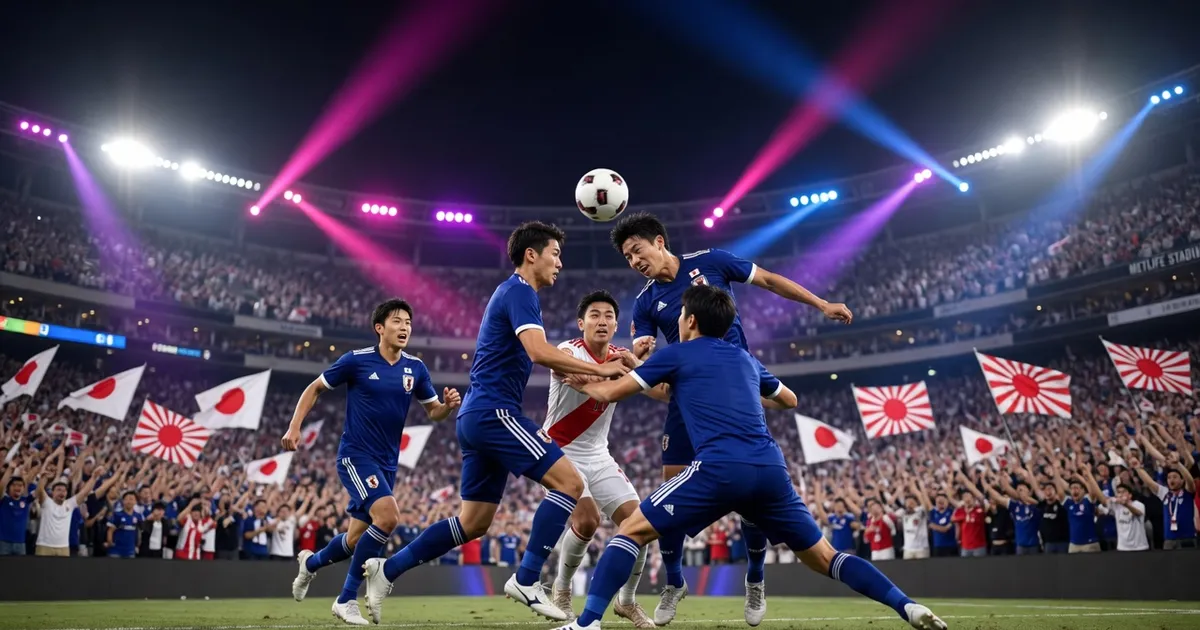

Japan's national team, under the management of Hajime Moriyasu, is setting its sights beyond just being the best in Asia as they gear up for the FIFA World Cup 2026. Despite the absence of some key players, the Japanese squad has developed significant depth, enabling them to challenge the traditional football powerhouses on the global stage. This strategic shift is reflective of Japan's growing ambitions to make a significant impact in the tournament, a progression from their historical performances.
Back in 2002, Japan co-hosted the World Cup with South Korea, where the latter reached the semi-finals amid controversies around refereeing decisions. Japan, on the other hand, did well to top their group but were eliminated in the round of 16. This year, Japan aims to rewrite their World Cup narrative by building a team that is not only technically proficient but also tactically adaptable, much like South Korea was in 2002.
Japan's Tactical Evolution for 2026
Moriyasu’s approach has been to cultivate a squad capable of executing various tactical plans, ensuring flexibility and resilience against different styles of play. This is a marked evolution from past Japanese teams, which often lacked the ability to adapt mid-game. The current squad is not only technically skilled but also mentally prepared to handle high-pressure situations, a crucial factor in tournament football.
From a betting perspective, Japan's evolving strategy and team depth could influence odds as the tournament progresses. Bookmakers like Bet365 and William Hill may adjust their prices based on Japan's performance in the group stages. Japan's odds to advance beyond the initial rounds are likely to shorten if they demonstrate consistent form and tactical versatility, making them a team to watch in market movements.
Historical Context and Previous Performances
Japan's key players, such as Takefusa Kubo and Ritsu Doan, play pivotal roles in this new setup. Their performances will be instrumental in Japan's quest to surpass their previous achievements. The combination of youthful energy and experienced leadership within the squad is poised to break the traditional barriers Japan has faced in past tournaments.
Looking ahead, Japan's group stage matches will be critical in assessing their tournament trajectory. Observers will be keen to see how Moriyasu's tactical plans unfold against diverse opponents. This will not only test Japan’s on-field strategies but also influence their odds in the outright markets, with potential implications for punters looking for value bets.
Impact of Tactical Flexibility
Japan's ambition for a World Cup breakthrough reflects a broader shift in Asian football, where teams are increasingly challenging the status quo. As Moriyasu’s team prepares for World Cup 2026, their mix of tactical innovation and player depth positions them as a formidable force. Whether this will translate into a deep tournament run remains a tantalizing prospect for fans and bettors alike.