
The 2026 FIFA World Cup is set to be a tactical laboratory. With coaches having more data at their fingertips than ever before, the tactical identity of national teams has become increasingly sophisticated. Gone are the days of simple 4-4-2 setups; the modern game is defined by rest? defense, counter-pressing triggers, and hybrid formations that shift shape based on possession phase.
One of the most prominent tactical shifts among the top five world-ranked teams is the use of inverted wing-backs. By moving defenders into the midfield during possession, teams like Spain and Portugal are creating numerical superiorities in the center of the pitch. For bettors, this midfield overload leads to higher time of possession but fewer raw crosses into the box. When a team adopts this inverted style, the individual corners market for that team often becomes a value under.
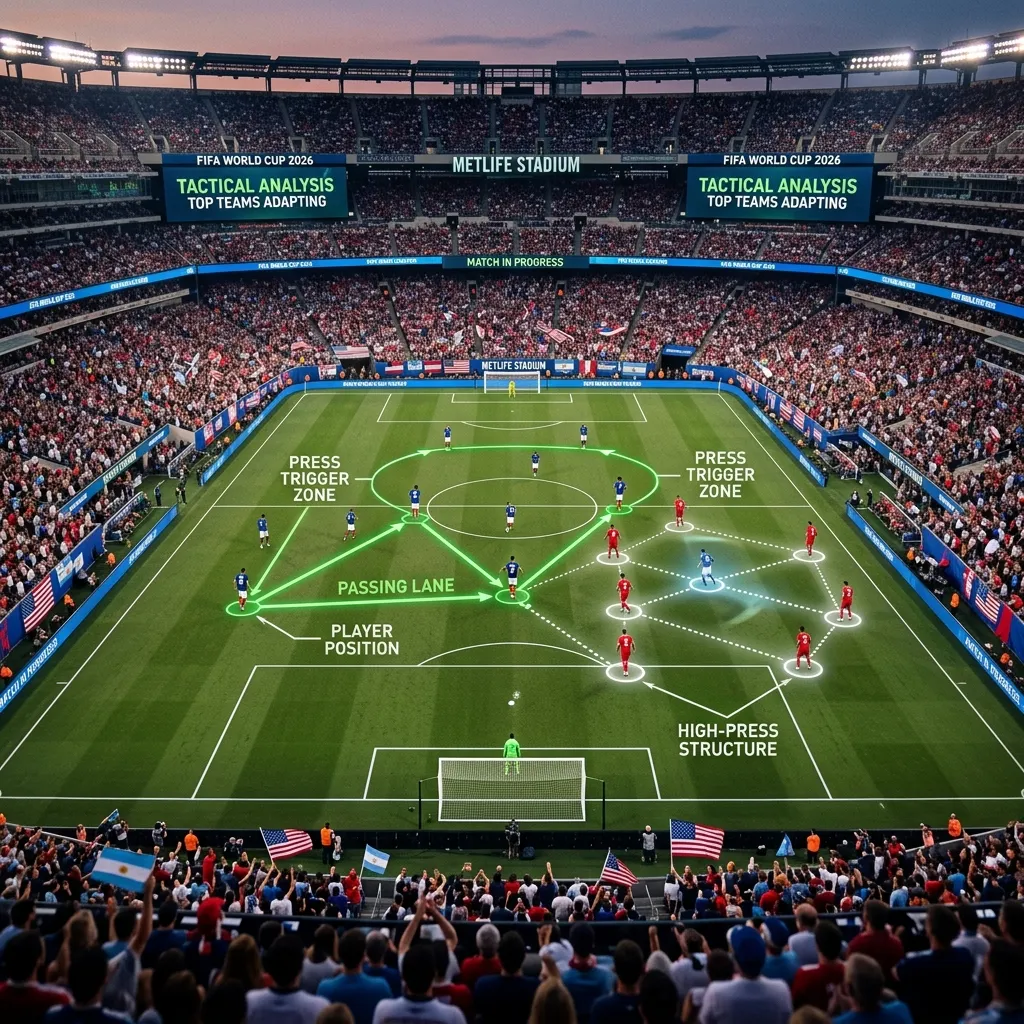
Several South American and African nations are adopting an aggressive high-line press to disrupt the build-up play of European giants. This chaos tactic is designed to force turnovers in the final third. Teams utilizing a high press are significantly more likely to be involved in Both Teams to Score matches, as the risk of being caught on the break is higher. PPDA (Passes Per Defensive Action) tracks the intensity of each team's press and is the leading predictive metric for this effect.
Key Context
To be successful in World Cup betting, look for tactical mismatches - such as a team that plays a high line against a team with blistering counter-attacking speed. This is a recipe for a high-scoring game regardless of the teams' recent form. Tactical previews for every major matchup identify which formations will thrive and which will struggle under the specific pressures of a World Cup tournament.
Modern tactical shifts are heavily influenced by the diverse venues of 2026. Teams are adapting their pressing triggers differently for the grass pitches of MetLife Stadium versus the hybrid surfaces found in other host cities. The altitude venues in Mexico force genuine tactical adjustments - high-press systems lose approximately 15% of their effectiveness above 1,500m as aerobic capacity is compressed.