
The introduction of hydration breaks at the World Cup 2026 has sparked significant discussion among analysts and coaches alike. With matches scheduled across varying climates in North America, FIFA has implemented these mandatory breaks to ensure player safety and maintain performance levels. However, the strategic implications of these breaks are proving to be just as impactful as their health benefits.
Historically, hydration breaks have been common in leagues with extreme temperatures, such as those in the Middle East or during summer tournaments. They allow teams a brief respite to regroup, offering coaches a chance to communicate tactical adjustments. In the context of the World Cup, where every minute counts, these breaks can alter the momentum of a game. Teams with stronger bench depth and tactical flexibility are likely to benefit more, potentially giving them an edge during tight fixtures.
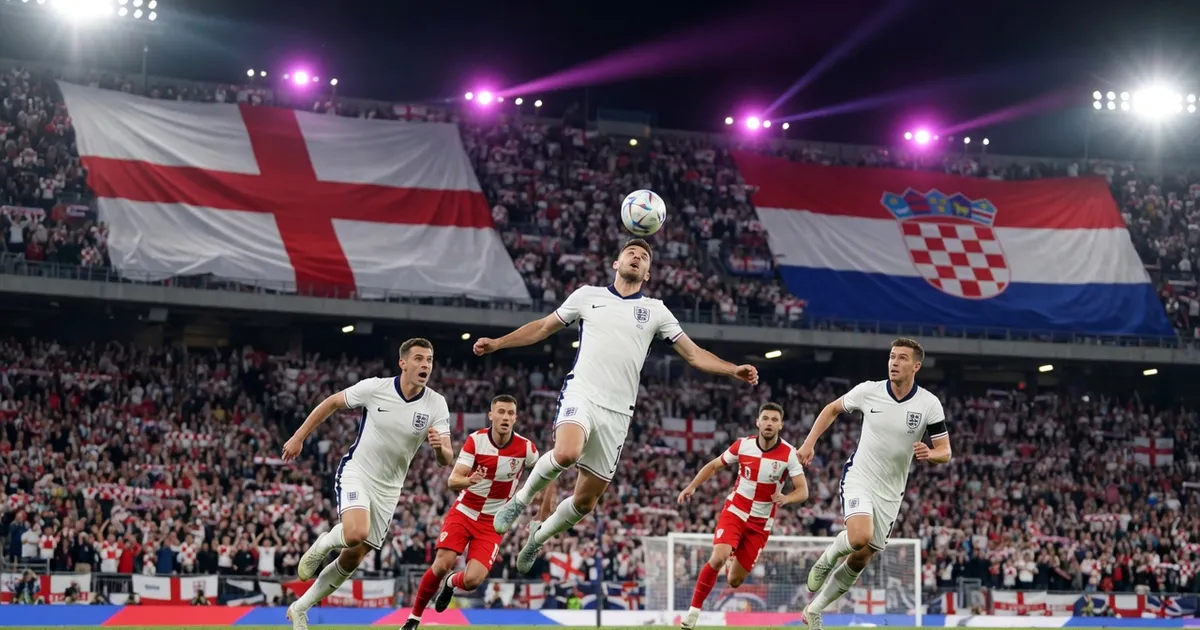
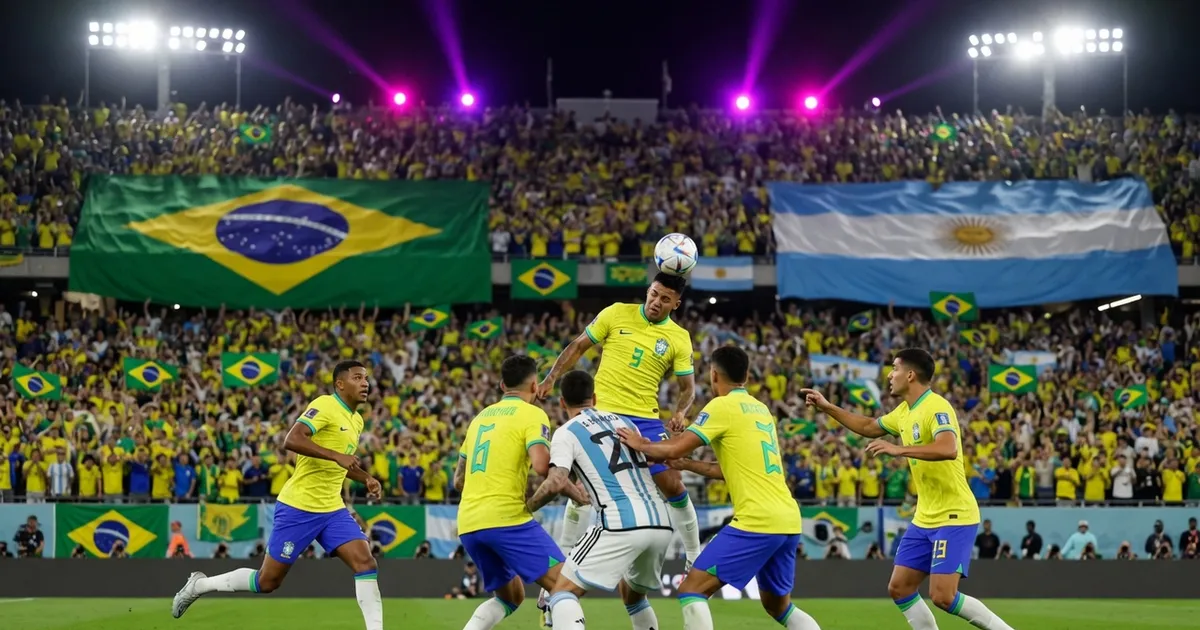
Teams like Brazil and Argentina, known for their tactical adaptability and depth in squad, could find these breaks advantageous. It provides their coaches an opportunity to tweak formations or strategies mid-game, thus maintaining a competitive edge. On the flip side, teams that rely heavily on maintaining a high tempo, such as England or the USA, might find the interruptions disruptive to their rhythm.
Historical Context of Hydration Breaks
From a betting perspective, understanding the impact of hydration breaks is critical. Bookmakers like Bet365 and 1xBet may adjust live betting odds based on the perceived benefit these breaks bring to certain teams. Bettors looking to capitalize should consider how these breaks affect teams' momentum and strategies. For example, teams with a history of making effective use of timeouts or breaks in other competitions might be more likely to turn a match in their favor post-break.
The strategic use of hydration breaks could also influence over/under markets, particularly in games anticipated to be closely contested. A well-timed break that allows for tactical realignment could lead to a late surge in goals, altering expected scorelines. Bettors will want to monitor how teams adapt to these breaks early in the tournament to identify patterns.
Ultimately, the introduction of hydration breaks at World Cup 2026 adds another layer of complexity to the tournament. As teams adapt, bettors and analysts alike will need to adjust their strategies to account for this new variable. The ability to capitalize on these breaks could be the difference between advancing to the knockout stages or an early exit.