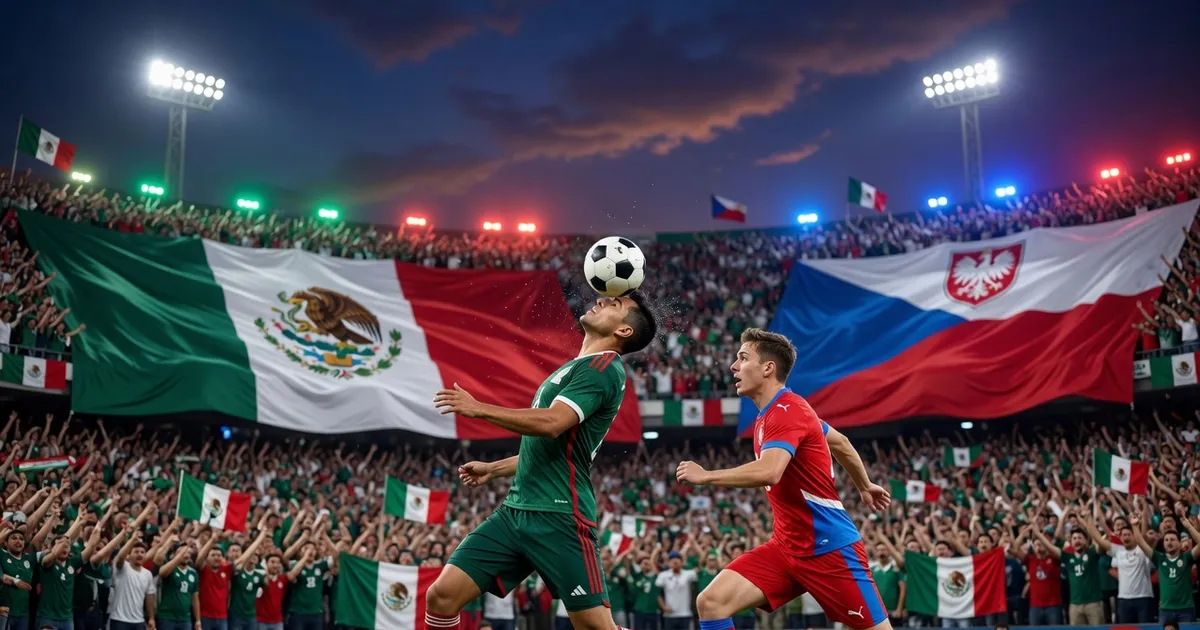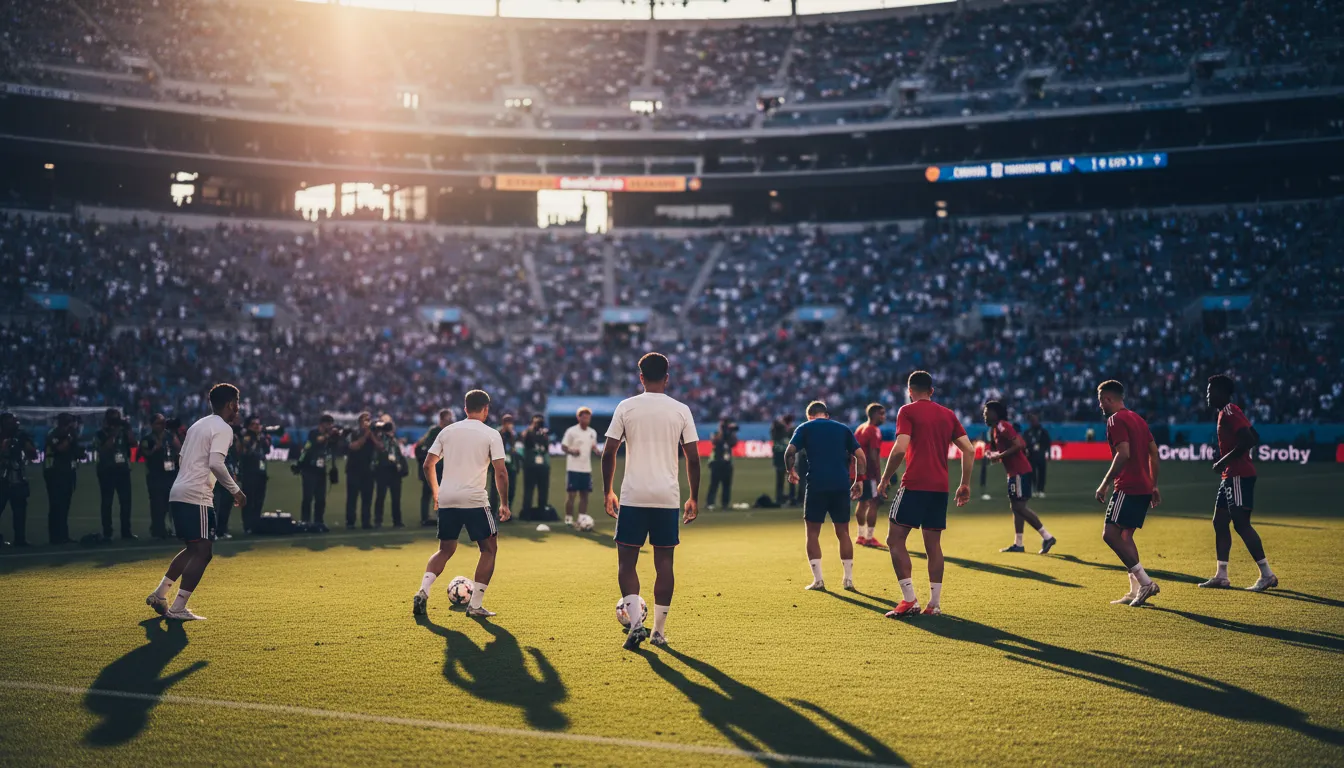

The 2026 World Cup, hosted by the USA, Canada, and Mexico, is taking place under the presidency of Donald Trump, raising discussions about consumerism and capitalism. The tournament, set to run from June 11 to July 19, 2026, is expected to highlight the commercial aspects of global sports on an unprecedented scale.
Historically, major sporting events like the World Cup have been platforms for both showcasing athletic talent and promoting economic interests. Under Trump's administration, the emphasis on consumerism is anticipated to reach new heights, reflecting the broader economic policies of his tenure.
The World Cup will feature 48 teams and 104 matches, with key venues across North America. This expansion not only increases the tournament's reach but also its economic impact, with predictions of record-breaking revenue from broadcasting rights, sponsorship deals, and merchandise sales.
Key Context
Betting markets are already reacting to the commercial environment, with odds fluctuating as sponsorships and partnerships are announced. Tools like OddsJam track line movement across 80+ books in real time, helping edge bettors identify early pricing inefficiencies before the sharp money closes the gap.
For bettors, the focus will be on how the political and economic climate might affect team performances and market volatility. The blend of sports and politics in this World Cup edition underscores the importance of staying informed about both the on-field and off-field developments.