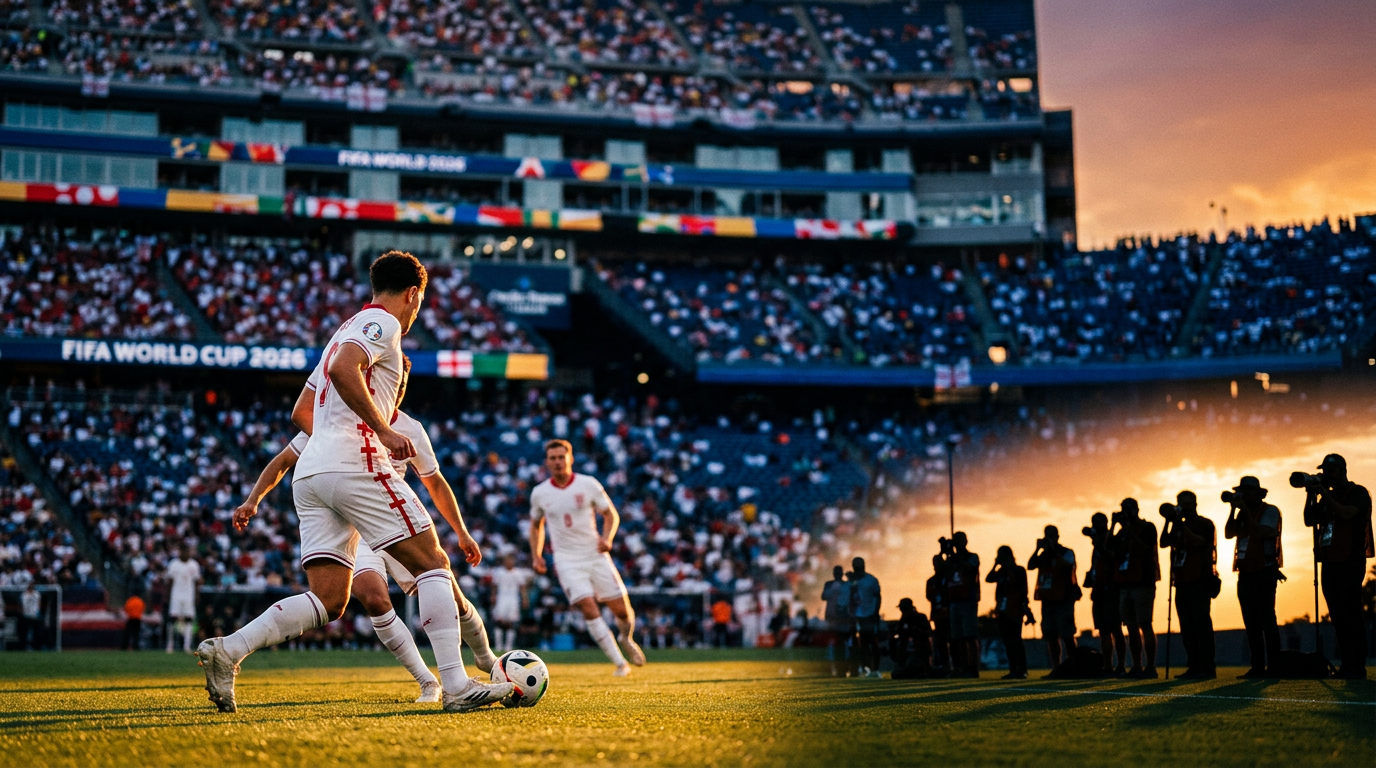

Recent reflections by former England players and coaching staff have reignited discussions about the potential impact of Premier League rivalries on the national team's performance during the 2006 World Cup. The so-called Golden Generation, which included stars like David Beckham, Steven Gerrard, and Frank Lampard, was expected to achieve great success, yet fell short of expectations.
The 2006 World Cup held in Germany saw England knocked out in the quarter-finals by Portugal. Despite the team's talent, insiders suggest that internal divisions, stemming from intense club rivalries, particularly those between Manchester United, Chelsea, and Liverpool players, may have disrupted team cohesion and ultimately affected their performance on the world stage.
At the time, the English squad boasted some of the best talents in world football, leading to hopes of securing the trophy. However, the lack of unity off the pitch might have mirrored their disjointed play on it. Team members have since reflected on how these rivalries might have hampered their ability to bond as a cohesive unit and perform at their best.
Key Context
This revelation has significant implications for understanding team dynamics in international tournaments. The Premier League's competitive nature, while beneficial for club football, may inadvertently create barriers within the national team. This historical analysis offers valuable lessons for future England squads aiming to leverage individual talent into collective success.
For bettors, understanding the potential impact of team dynamics on performance is crucial. Past experiences like those of the 2006 England team serve as a reminder to consider not just individual player form, but also the overall team harmony when placing bets on international tournaments like the upcoming 2026 World Cup.