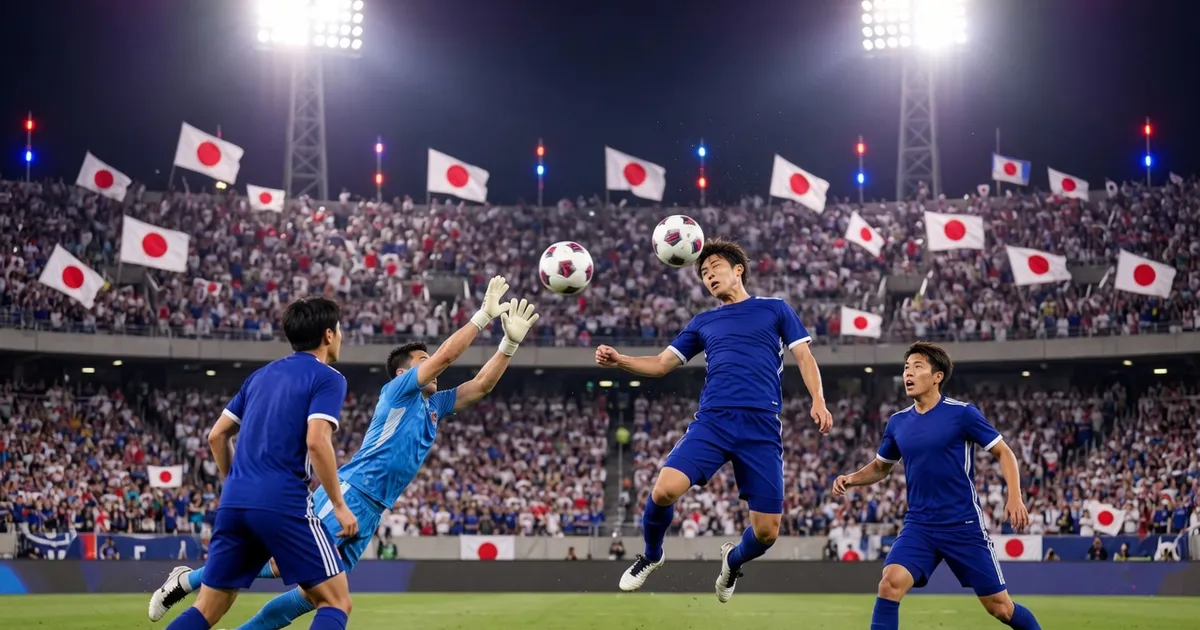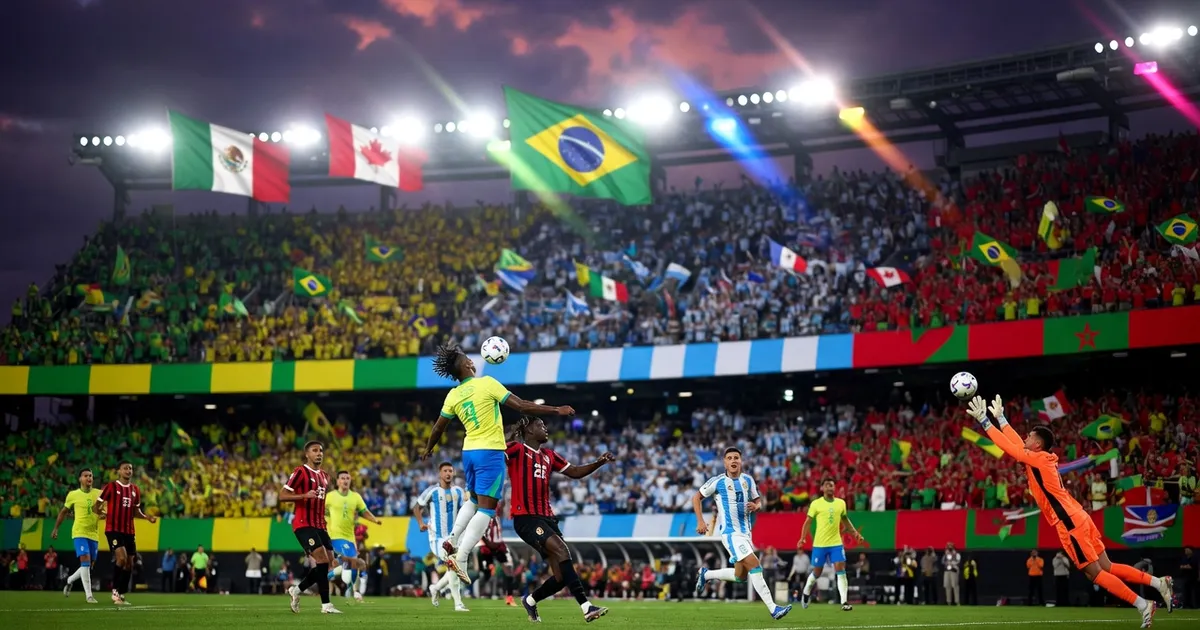

The new Adidas ball, designed specifically for the World Cup 2026, has come under criticism from goalkeepers participating in the tournament. Numerous reports indicate that the ball is causing unexpected difficulties when dealing with long-range shots. Players and coaches have expressed concerns that the ball's design may be affecting its flight path, resulting in challenges for goalkeepers attempting to predict and intercept shots from distance.
Historically, the design and aerodynamics of a World Cup ball have stirred debates and controversies among players and experts. This is not the first time a ball has been scrutinized; previous tournaments have seen similar issues. The infamous 'Jabulani' from the 2010 World Cup in South Africa, for example, was criticized for its unpredictable movement and speed, leading to widespread discussion about its fairness and impact on the game.
This year's criticism focuses on the ball's texture and paneling, which some suggest might be contributing to its erratic behavior. The World Cup 2026 hosts, USA, Canada, and Mexico, have ensured that the ball meets FIFA's standards, yet the feedback from players suggests a need for further evaluation. The issue has been particularly highlighted by games held in the hotter, more humid venues, where the ball's behavior seems most pronounced.
Adidas Ball Design Under Fire
From a betting market perspective, this development has introduced a new variable to consider. Bookmakers might adjust odds on the likelihood of goals being scored from long distances, given the challenges goalkeepers face. Bettors interested in markets such as 'over/under goals' or 'number of goals outside the box' should keep an eye on how this situation evolves and affects match outcomes.
Adidas has responded to the concerns by stating that the ball underwent rigorous testing before the tournament, involving players at the highest levels. They emphasize that feedback from ongoing matches will be taken into account for any future adjustments. Meanwhile, fans and analysts continue to debate whether the ball's design provides an unfair advantage to attackers.
The long-term implications for the tournament are still unfolding. If the ball continues to influence match results significantly, it may prompt FIFA to consider mid-tournament adjustments or even influence future ball designs. For now, teams must adapt quickly to the conditions presented by the new technology and strategize accordingly.