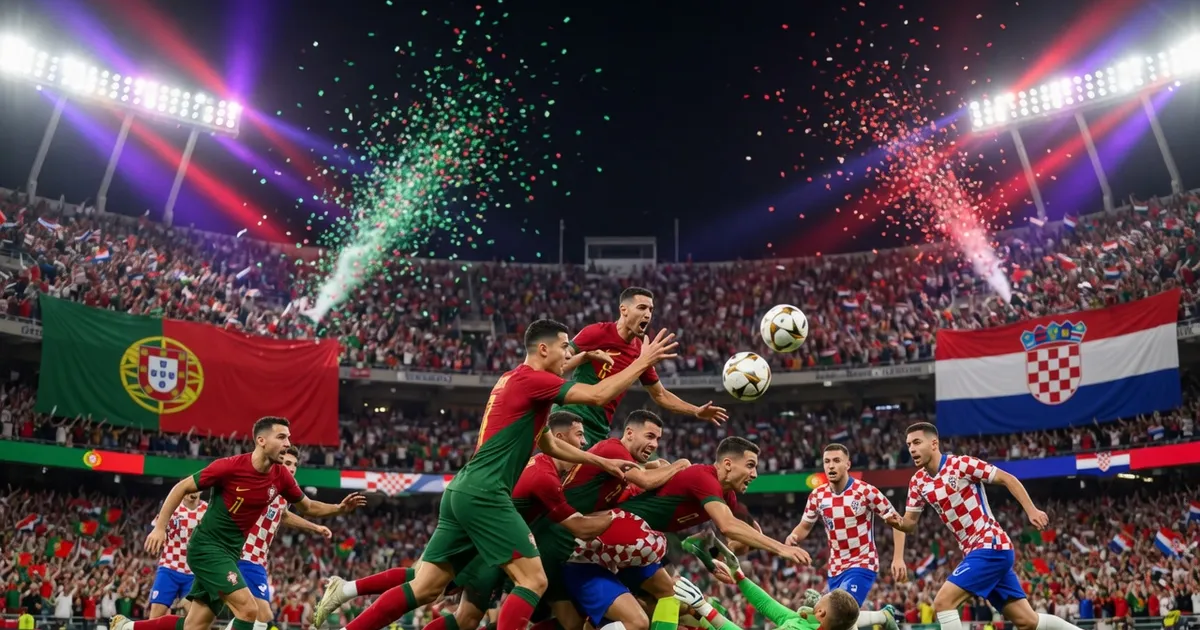

In a recent commentary, renowned journalist Ramón Besa has expressed his dissatisfaction with the management of the World Cup 2026, suggesting that the tournament is increasingly becoming more about entertainment and spectacle than the sport of football itself. Besa's comments come at a time when the global football community is watching closely how the event is unfolding across North America.
Besa's criticism isn't without precedent. The shift towards commercialization and entertainment in football has been a topic of discussion for years. Historically, World Cups have been seen as the pinnacle of footballing prowess, showcasing the best teams and players. However, the recent trends suggest a growing focus on the spectacle surrounding the events, with entertainment and commercial interests sometimes overshadowing the sport.
This shift has significant implications for the tournament itself. As World Cup 2026 unfolds, stakeholders, including fans, players, and sponsors, are likely to experience a different kind of event. The focus on entertainment could alter how matches are organized and presented, potentially affecting everything from match schedules to fan experiences in the stadiums.
Ramón Besa's Bold Critique
From a betting perspective, this shift could impact market dynamics. Bettors might need to consider factors beyond team performance and player statistics, such as potential disruptions or changes in match contexts due to entertainment-focused agendas. This could lead to more volatile and unpredictable betting markets, requiring bettors to adapt their strategies accordingly.
For fans and bettors alike, the key will be to stay informed about any changes in the tournament's management approach. Monitoring announcements from FIFA and the organizing bodies will be crucial to understanding how these shifts might affect the World Cup's progression and outcomes. This proactive approach will be vital for those looking to engage with the event either as spectators or as participants in the betting markets.