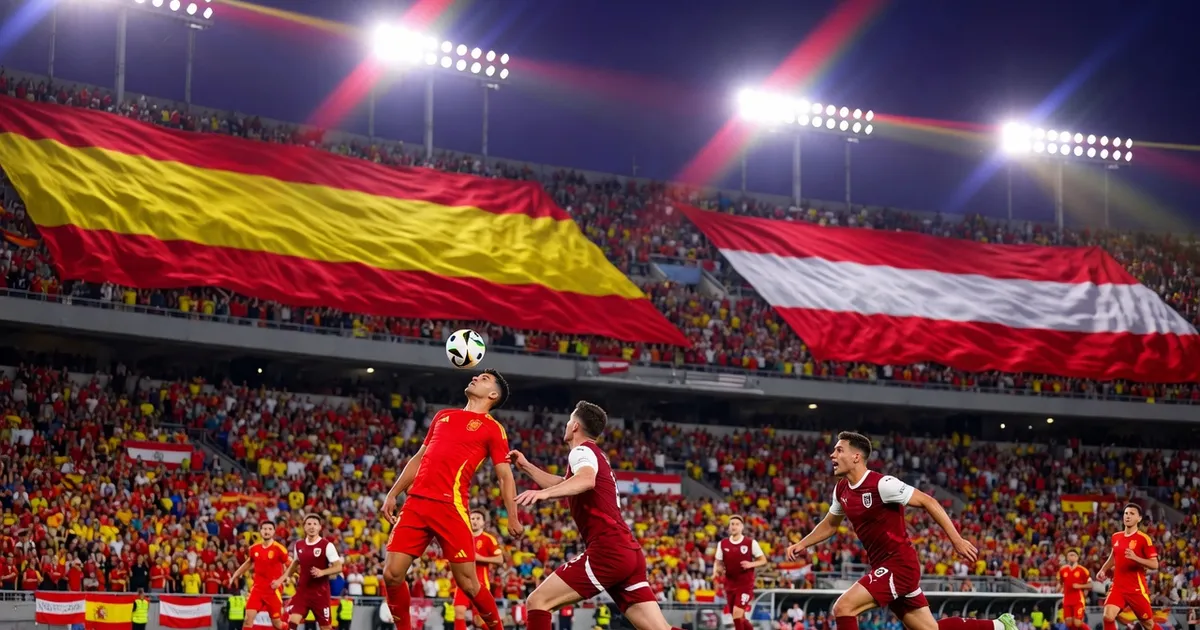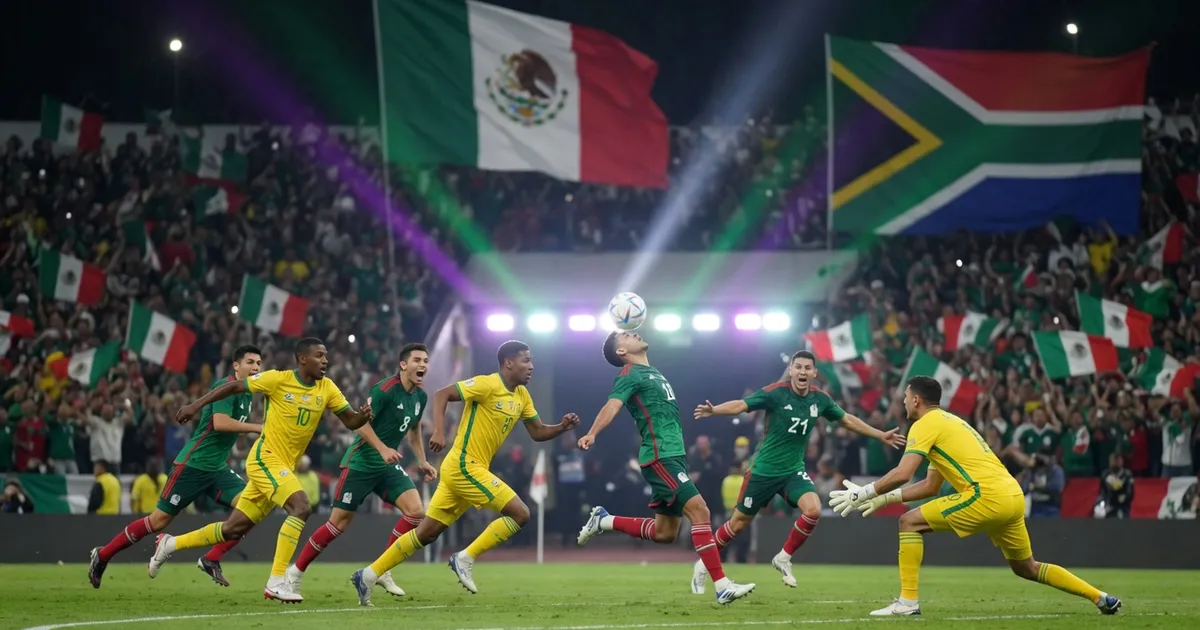

In a dramatic start to the World Cup 2026, referees made their mark by issuing three red cards in the opening match between Mexico and South Africa. Mexico emerged victorious with a 2-0 win, but the game's narrative was dominated by the three dismissals. This immediate display of strict officiating has sparked discussions about whether this trend will continue throughout the tournament.
The match, held at Estadio Azteca, showcased a no-nonsense approach by the officials, as they aimed to maintain discipline from the outset. Historically, World Cups have varied in their strictness, but this year's tournament might set a precedent for rigorous enforcement of rules. Such decisions have the potential to influence team strategies and player behavior significantly.
Mexico capitalized on their numerical advantage to secure the win, with goals from their star forwards. However, the focus has shifted to the refereeing style, which could lead to a World Cup characterized by frequent disciplinary actions. This approach might affect teams' tactical preparations and risk assessments as they navigate the group stages.
Opening Match Controversy
From a betting perspective, the increase in red cards could impact markets such as 'total cards' and 'players to be sent off'. Bookmakers may adjust their odds to accommodate this trend, affecting over/under card markets. Bettors should closely monitor referee assignments and past officiating patterns to strategize effectively.
If the trend of strict officiating persists, teams might need to adjust their play styles to avoid accumulating cards, which could alter the dynamics of the tournament. Additionally, player suspensions could influence lineups and team strengths in subsequent matches, adding another layer of complexity to betting markets.