
The 2026 FIFA World Cup's three-nation hosting format creates a home advantage narrative unlike any previous tournament. For the United States, Canada and Mexico, the combination of familiar venues, minimal travel, no time-zone adjustment and unprecedented home crowd support builds a compounding performance advantage that bookmakers are only partially pricing into the market.
The United States enters 2026 with their most complete squad in history. Players from top European leagues now form the core of the national team, and their preparation schedule - playing group-stage matches in NFL-sized stadiums with 65,000+ crowd support - is designed to leverage home atmosphere as a tactical weapon. From a betting perspective, the most actionable element is the USA's match-by-match home advantage in domest?ic group markets: bookmakers setting lines on global Elo ratings consistently undervalue the 12-15% performance uplift that home atmosphere provides in international football.
Mexico's preparations focus intensively on Estadio Azteca, where the combination of 2,240m altitude and legendary home atmosphere has influenced more World Cup results than any other venue in the tournament's history. The 'Azteca effect' is well-documented: visiting European teams accustomed to sea-level, temperature-controlled conditions consistently report measurable fatigue in the second half at altitude. For bettors, 'Over / Under 2.5 Goals' for Mexico's Azteca group games offers structural value - high-altitude games trend toward fewer late goals from exhausted visitors.
Key Context
Canada's home advantage is qualitatively different but no less real. Playing domest?ic venues where crowd support will far exceed anything Canadian football has previously generated provides an emotional and psychological edge against opponents who have never experienced a Canadian World Cup home fixture. Defensive discipline and tactical organisation are Canada's primary strengths; home advantage amplifies both by reducing psychological pressure on individual defensive decisions.
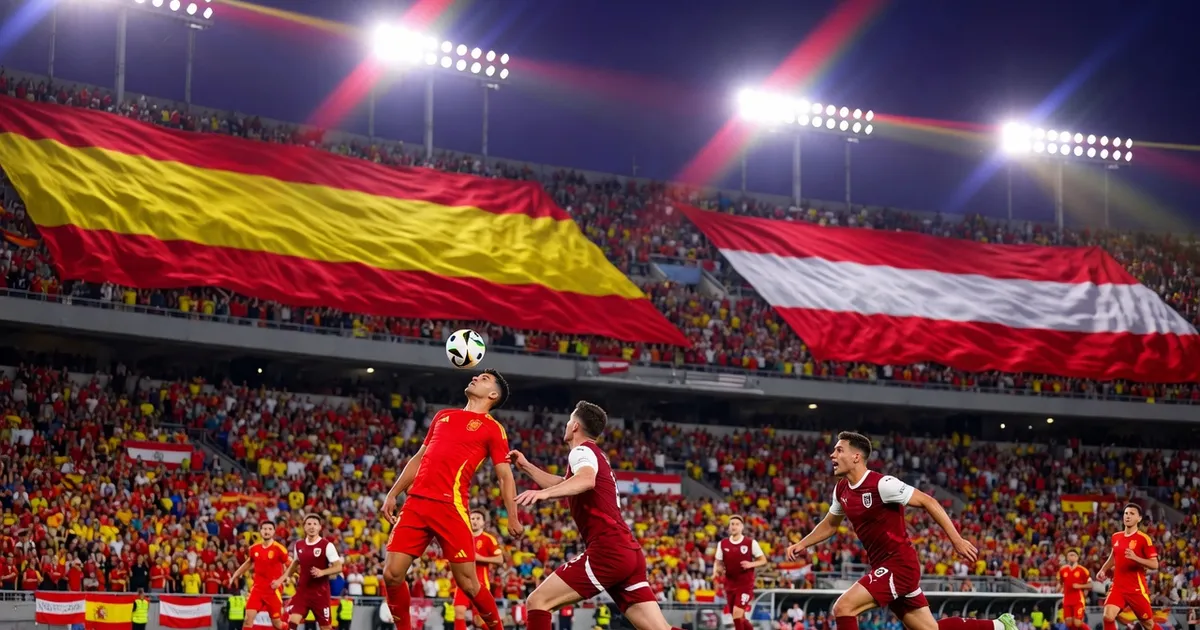
The multi-host format also creates a 'Travel Fatigue' asymmetry that visiting teams will experience uniquely. While host nations move minimally within their home countries, visiting sides may face cross-country flights between group fixtures that rival transatlantic travel in journey time. This asymmetry - particularly for European teams who will lose more preparation time to travel - is the most systematically underweighted factor in early group-stage market pricing.