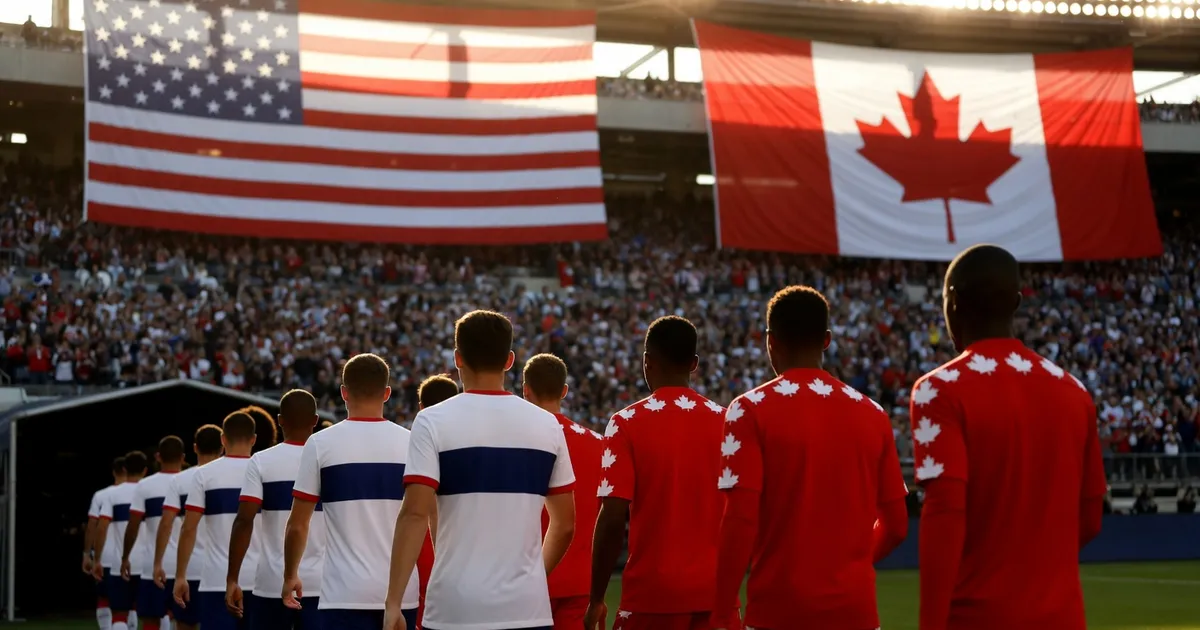

The 2026 FIFA World Cup, hosted by the United States, Canada, and Mexico, is projected to boost tourism growth in North America by more than 2%. This impressive increase underscores the significant economic impact that the tournament will have on the region, drawing millions of fans from around the world.
Historically, major sporting events like the World Cup have driven substantial increases in tourism and economic activity. The 2018 World Cup in Russia, for example, attracted over three million visitors, contributing significantly to local economies. North America is expected to experience similar benefits, with the World Cup's expansive reach.
Economic Impact of World Cup 2026
The tournament will be played across 16 cities, offering a unique opportunity for diverse cultural exposure and economic participation. Cities hosting matches are preparing to accommodate the influx, with investments in infrastructure and services expected to enhance the overall experience for visitors.
Betting markets are likely to respond to the World Cup's economic impact, with bookmakers potentially adjusting odds on host nation performances. The anticipation surrounding the event could lead to increased betting activity, especially in markets where sports betting is legal and popular.
Tourism Boost Across Host Cities
For bettors, understanding the economic context of the World Cup is crucial. The potential for increased tourism and spending might influence the performance of host nation teams, potentially providing value in specific betting markets. As odds adjust, opportunities for strategic bets may emerge.
Looking ahead, the World Cup's impact on tourism highlights the broader economic implications of hosting such a prestigious event. The influx of visitors is expected to support local businesses, from hotels and restaurants to transportation and entertainment services.
Betting Market Adjustments
Ultimately, the 2026 World Cup represents not only a celebration of football but also an opportunity for North America to showcase its hospitality and cultural diversity on a global stage. The economic ripple effects will likely be felt long after the final whistle blows.