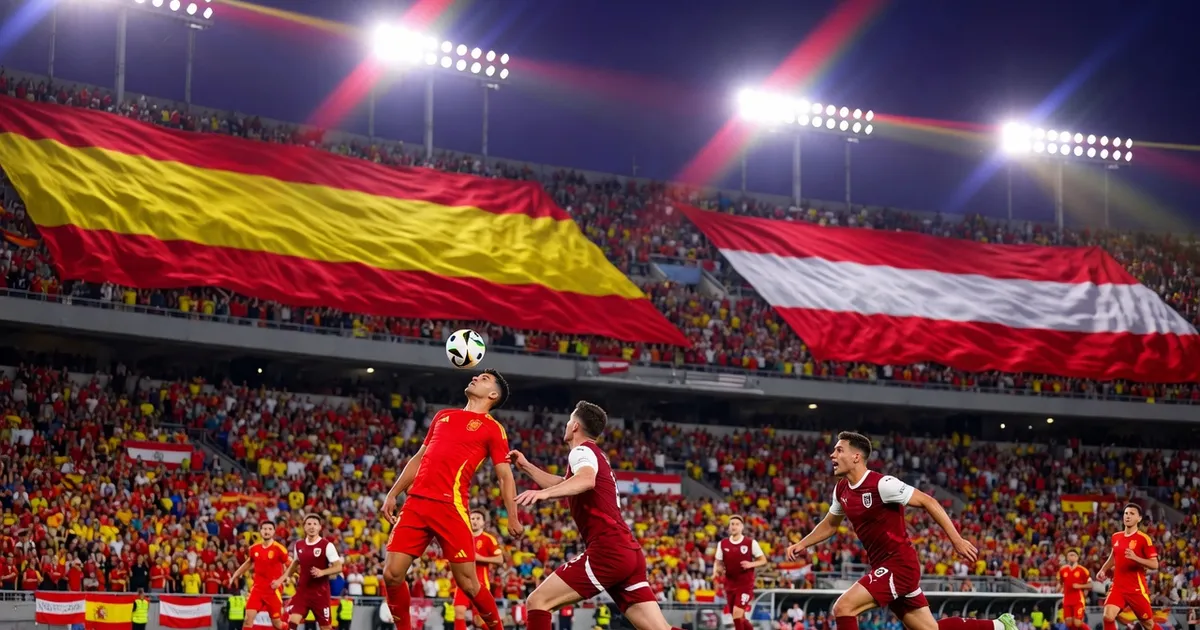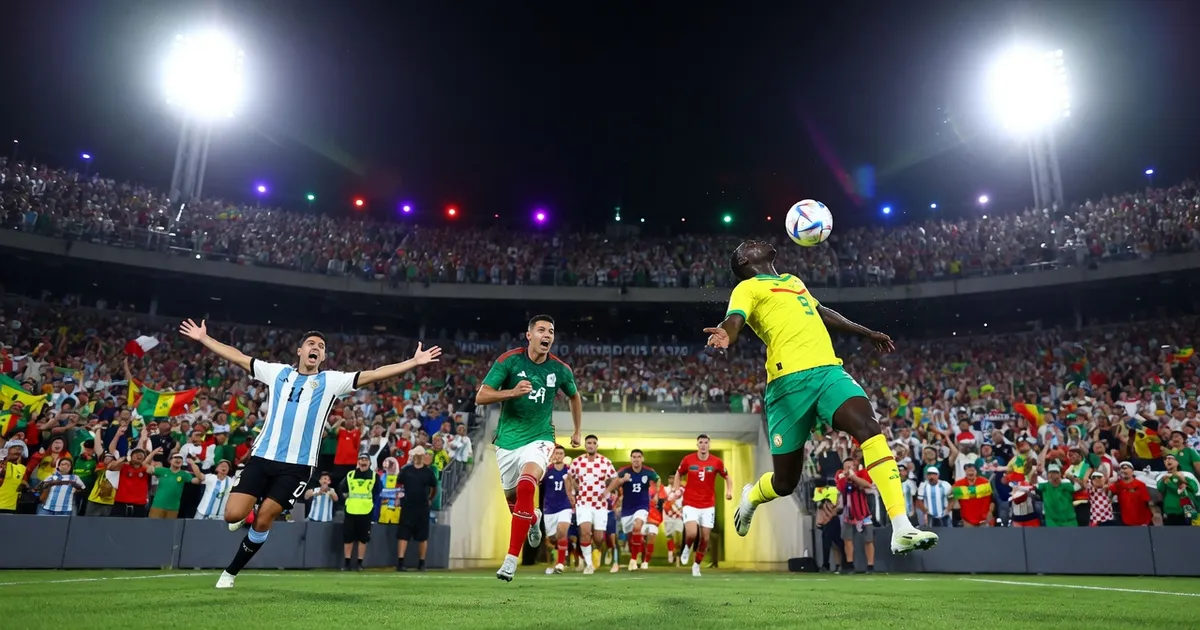

The 2026 FIFA World Cup has introduced mandatory hydration breaks, a measure designed to ensure player safety amidst the summer heat of North America. These breaks have now become a regular feature in matches, altering the dynamics of the game. FIFA's decision to implement these pauses is based on the need to protect players from the extreme temperatures expected during the tournament, which runs from June 11 to July 19 across various venues in the United States, Canada, and Mexico.
Historically, hydration breaks have been utilized in tournaments where the climate poses a risk to player performance and health. In past football events, these breaks have been both praised and criticized. On one hand, they provide a much-needed respite for players, allowing them to recover and receive tactical instructions from coaches. On the other hand, some argue that they disrupt the flow of the game, potentially affecting momentum and strategy.
The Purpose of Hydration Breaks
The introduction of hydration breaks in World Cup 2026 has significant implications for teams and their tactical approaches. For example, teams with a high-intensity pressing style may benefit from the opportunity to regroup and refocus. Conversely, teams that rely on maintaining a rhythm might find these enforced pauses disruptive. Coaches are now tasked with integrating these breaks into their game plans, using them as strategic tools to communicate with players and make necessary adjustments.
From a betting perspective, the influence of hydration breaks on match outcomes cannot be understated. The breaks offer a new variable for bettors to consider, as they can impact everything from total goals scored to the timing of key match events. For instance, a team known for late-game comebacks might benefit from the additional rest and tactical recalibration, affecting in-play betting markets. Bookmakers like Bet365 and 1xBet may adjust odds accordingly, reflecting the tactical nuances introduced by these breaks.
Tactical Implications for Teams
As the tournament progresses, hydration breaks are likely to become a talking point in both media coverage and fan discussions. Observers will be keenly watching to see if certain teams adapt better than others to this new aspect of game management. This adaptation could potentially influence outright markets, with teams demonstrating resilience under these conditions gaining favor with punters.
The broader impact of hydration breaks on the World Cup is multifaceted. They are not just a health measure but also a new layer of tactical complexity that coaches and players must navigate. Their introduction in World Cup 2026 is a testament to the evolving nature of football, where player welfare is given priority, and strategic innovation is continually required.
Betting Market Adjustments
In conclusion, while hydration breaks are primarily a safety initiative, they have far-reaching implications for the World Cup. Teams that can effectively utilize these breaks will likely gain a competitive edge, making this a critical component of match day strategy. As such, both teams and bettors must remain vigilant and adaptable to the challenges and opportunities these breaks present.