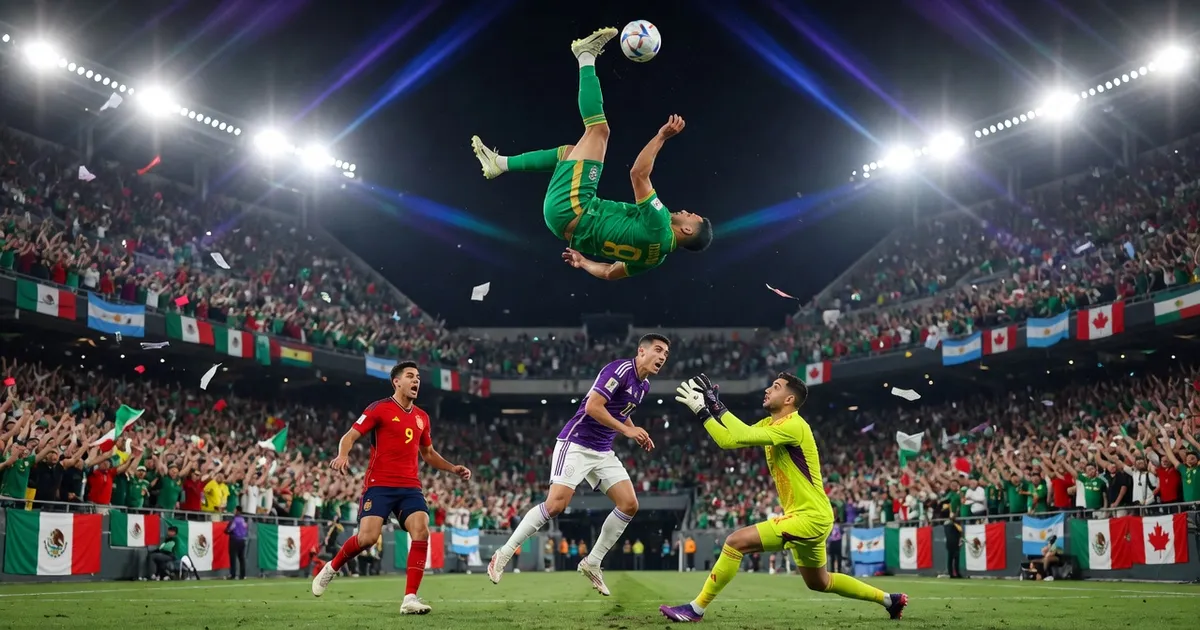

In the fast-evolving world of sports analytics, the 2026 FIFA World Cup will be the most data-driven tournament in history. For the average bettor, the sheer volume of stats can be overwhelming. The key is to focus on predictive statistics - those metrics with a proven historical correlation with match outcomes. While possession and total shots make for good television, they are often lagging indicators. To find the edge, you need leading indicators like field tilt and successful box entries.
Expected Goals (xG) has become the gold standard for measuring the quality of chances a team creates. In a World Cup knockout match, a team might dominate possession but only create two low-quality chances (low xG). Conversely, an underdog might have one high-quality breakaway (high xG). xG forecasts for every fixture help identify teams that are over-performing their luck or under-performing their creation ability.
Successful World Cup betting requires looking at how a team prevents chances. PPDA (Passes Per Defensive Action) measures a team's pressing intensity. A high PPDA indicates a team allows the opponent to build up play freely, while a low PPDA shows an aggressive, disruptive defense. Teams from the UEFA region with low PPDA scores are historically the most successful in the group stages due to the ability to prevent dangerous build-up sequences.
Key Context
To be a profitable bettor, you must bet the process, not the result. A team that loses 1-0 but wins the xG battle 2.5 to 0.5 is a strong candidate to back in their next match. Statistical power rankings that update after every matchday show which nations are the true metric monsters of the 2026 FIFA World Cup. Use these to find discrepancies between public perception and statistical reality.
Historical data from Mexico City's Estadio Azteca shows that high-altitude matches result in a 15% increase in long-range attempts and significantly higher late-goal probabilities in the final 10 minutes, as tired players resort to long-range strikes. This altitude effect specifically affects Under markets, making Under 2.5 more reliable in Mexico City group games for European visiting teams than flat sea-level assumptions would suggest.