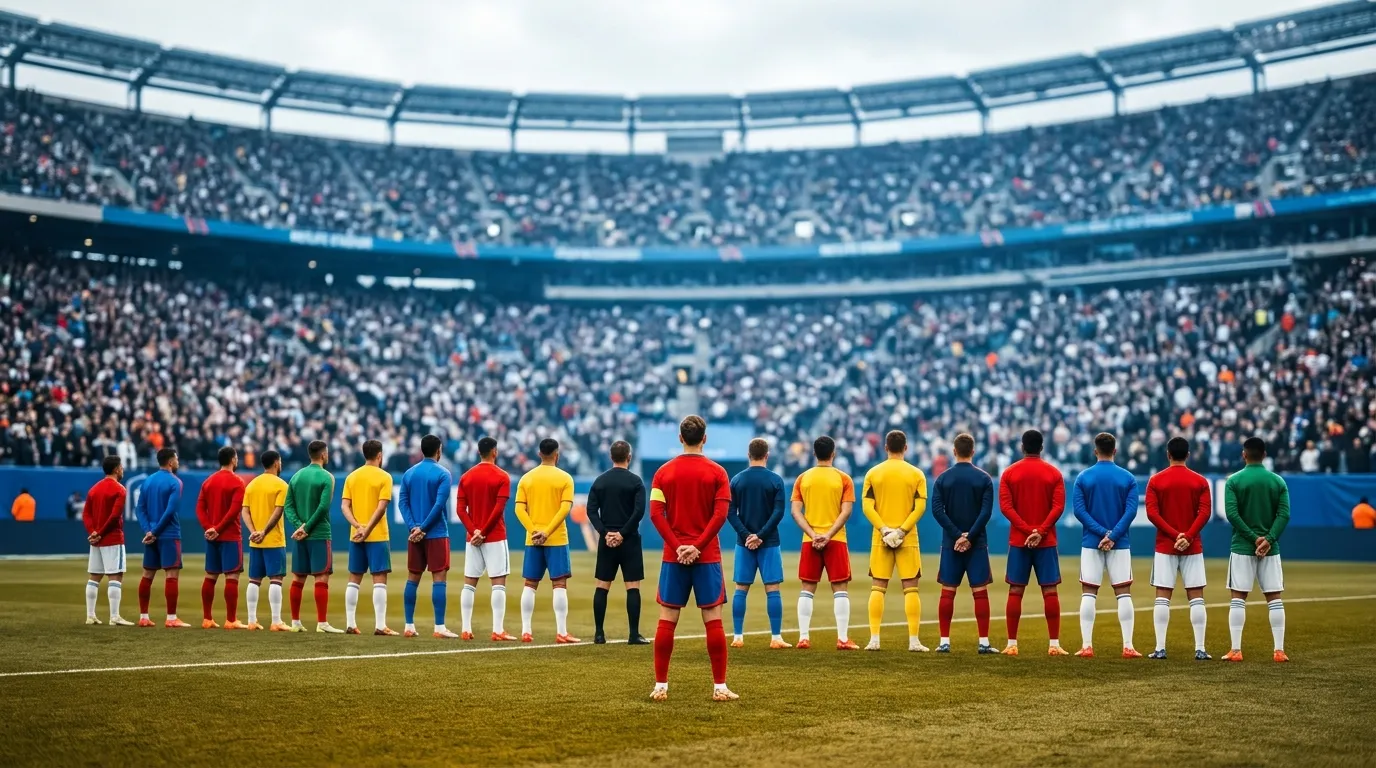

The FIFA World Cup 2026, set to be co-hosted by the United States, Canada, and Mexico, promises to significantly boost visitor numbers and enhance global exposure for major US destinations. With the tournament scheduled from June 11 to July 19, 2026, cities like New York, Los Angeles, and Dallas are preparing to welcome fans from around the world. This influx is expected to drive economic growth and bolster the tourism sector.
Historically, hosting the World Cup has provided substantial economic benefits to host nations. For instance, the 1994 World Cup in the United States led to increased tourism and infrastructure investment. The 2026 edition, featuring 48 teams and 104 matches, is anticipated to have an even greater impact, given the expanded format and the inclusion of multiple host countries.
The broader implications for the tournament are substantial. The World Cup is not only a sporting spectacle but also a cultural event that brings global attention to the host cities. This increased visibility can lead to long-term benefits, including improved international relations and enhanced city profiles, fostering future tourism and investment opportunities.
Key Context
From a betting market perspective, the World Cup's impact is equally significant. Major bookmakers like Bet365 and DraftKings are preparing for a surge in betting activity, as the tournament draws attention from both casual and seasoned bettors worldwide. The increased attention often leads to more competitive odds and a wider range of betting markets.
For fans and bettors, the opportunity to engage with the World Cup extends beyond the matches themselves. The influx of international visitors and the global spotlight will likely create a festive atmosphere in host cities, enhancing the overall experience for those attending. As the tournament approaches, keeping an eye on developments in ticket sales, city preparations, and betting markets will be crucial.